
Milivoja
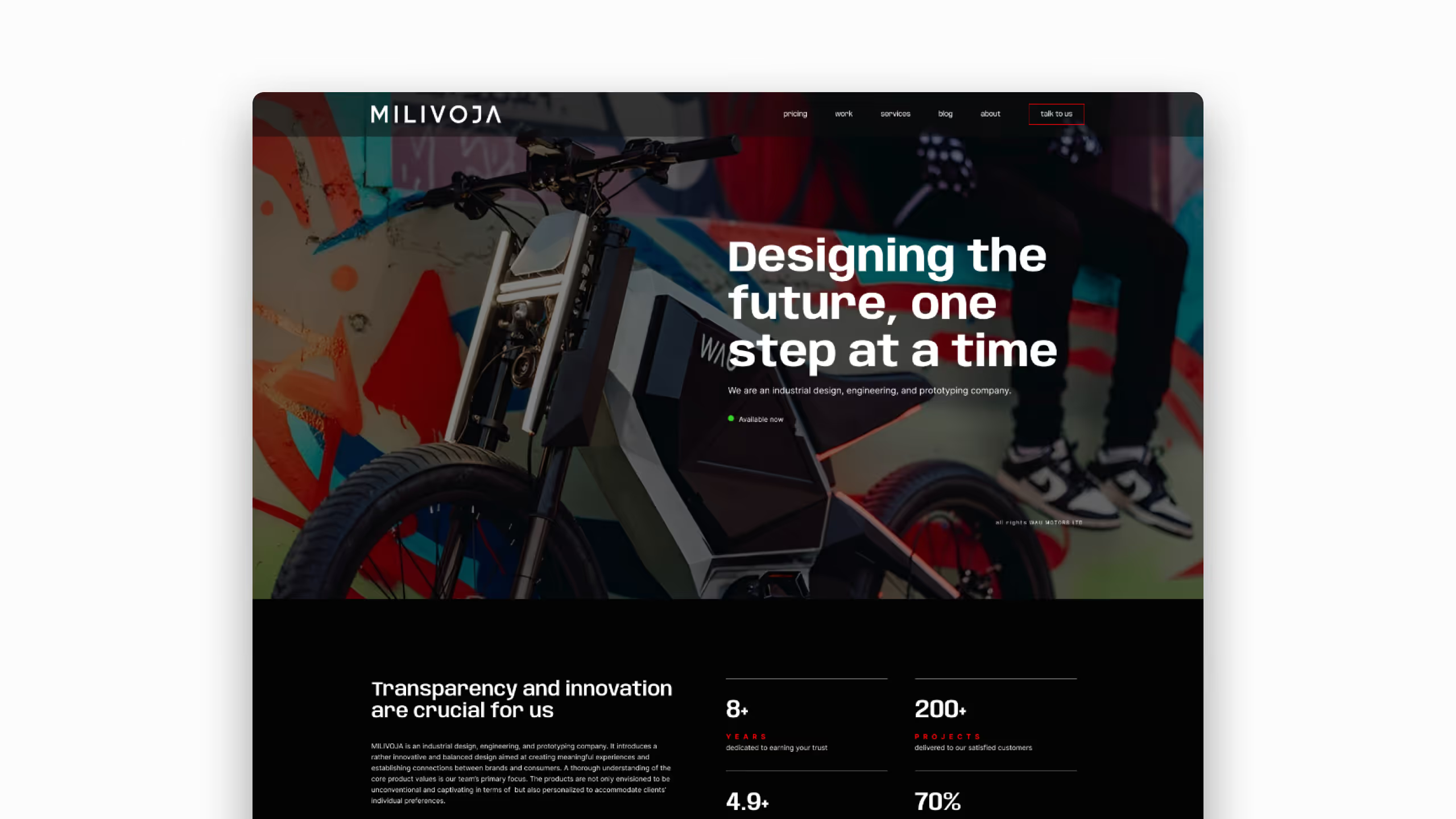
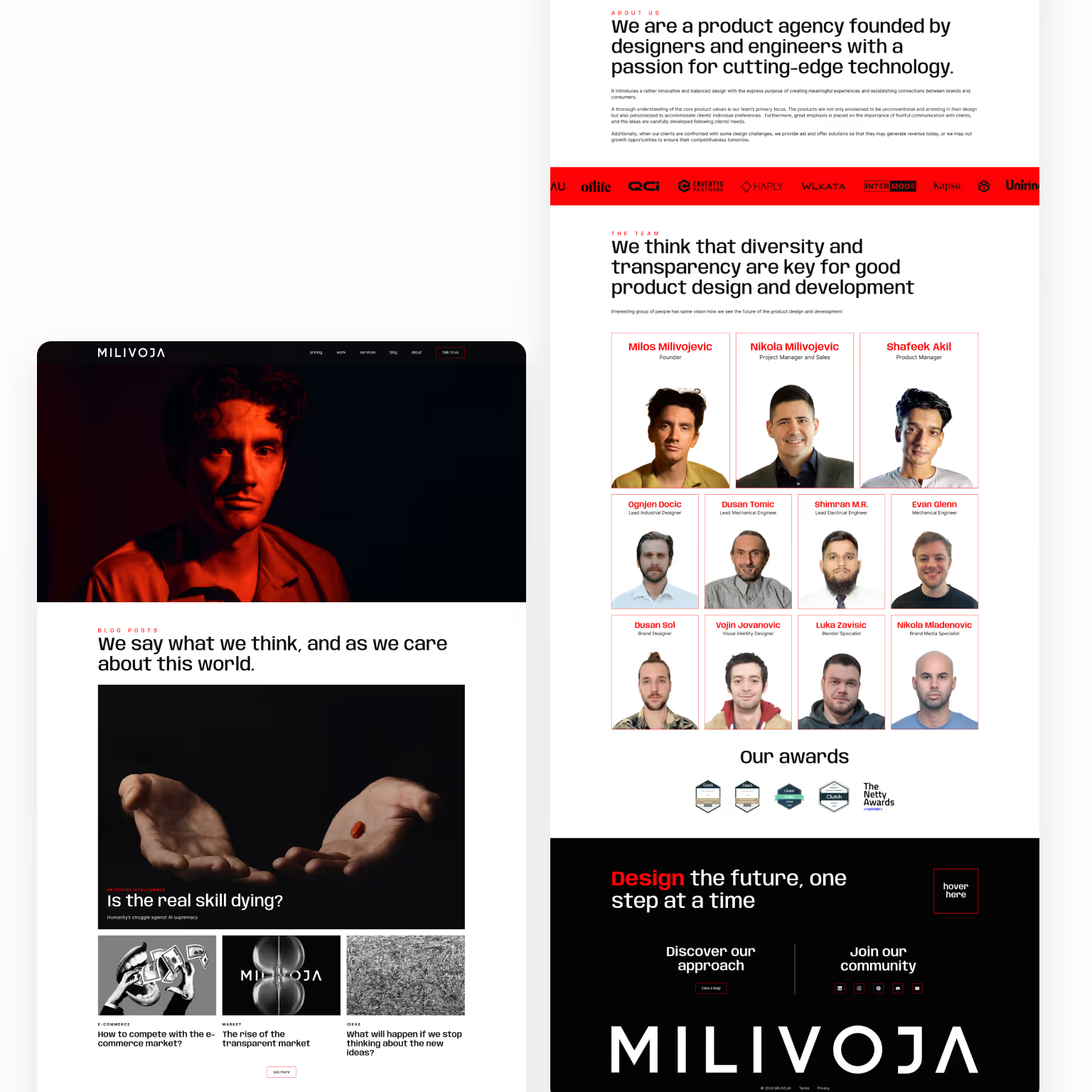
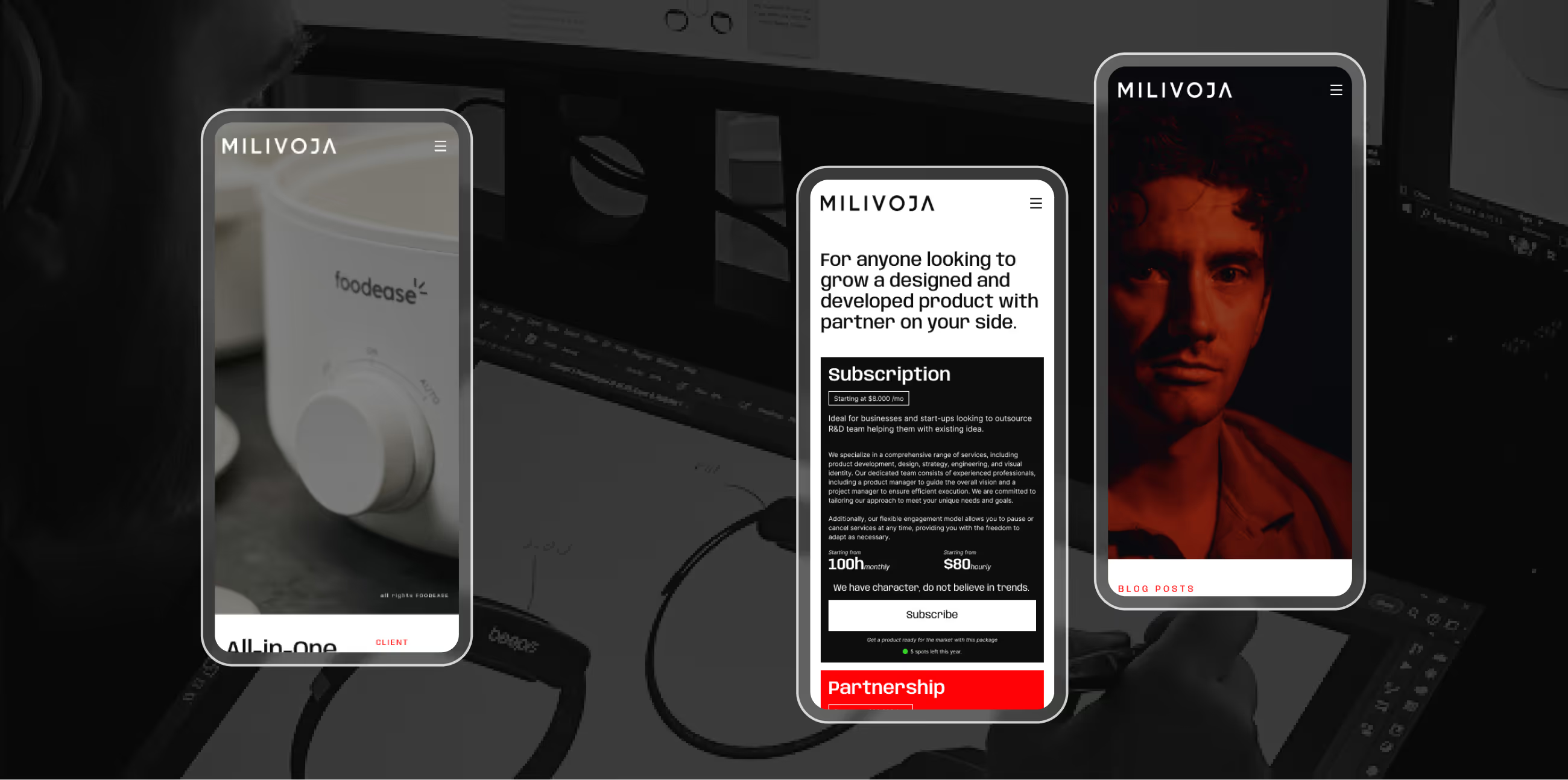
Milivoja required a modern, fast, and reliable website, without changing the existing brand or visual direction. The primary objective was to migrate the website from WordPress to Webflow while maximizing performance, stability, and long-term maintainability.
Challenges
The existing WordPress website created unnecessary friction from a technical and performance standpoint. Key issues included:
- Slow load times impacting user experience
- Plugin dependency increasing maintenance risk
- Limited performance optimization options
- A setup that made long-term stability harder to guarantee
The goal was not a redesign, but a clean technical migration that preserves the existing look and feel while dramatically improving performance and reliability.
How we approached it
WordPress to Webflow Migration
We migrated the existing website to Webflow with a focus on:
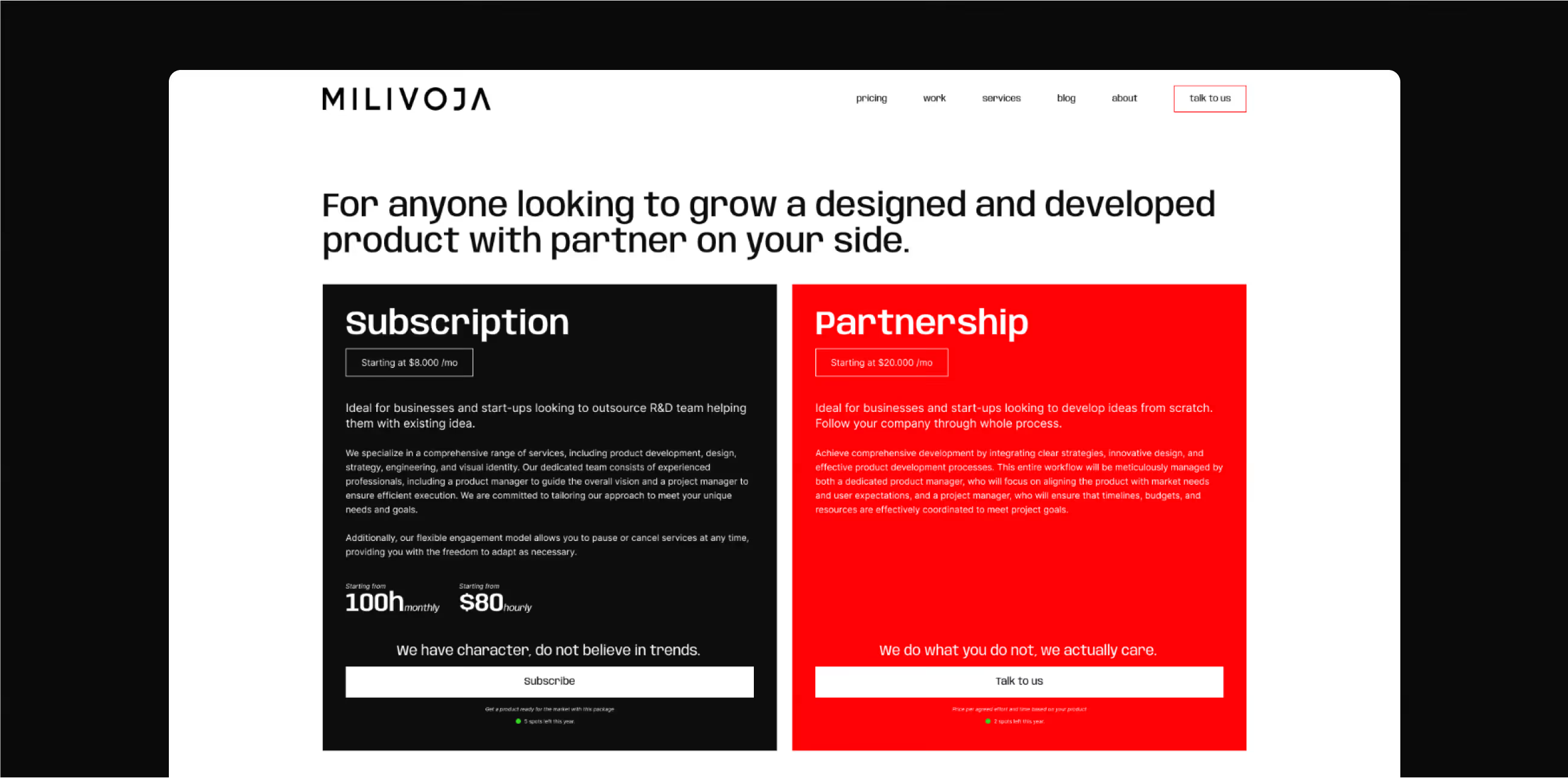
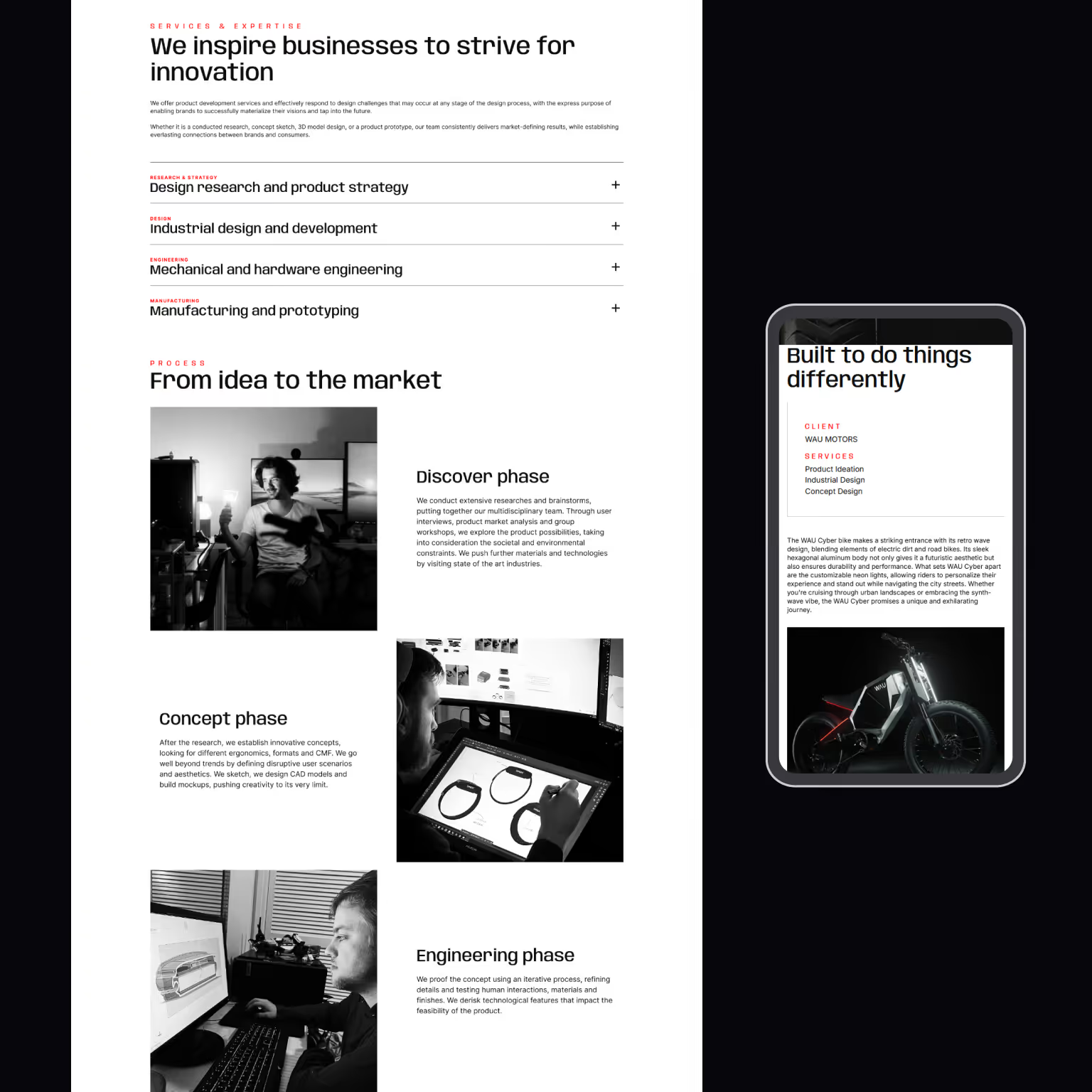
- Preserving the current design and content
- Rebuilding layouts natively for performance
- Eliminating unnecessary scripts and plugins
This ensured a smooth transition without visual regressions.
Webflow Development & Optimization
During development, we:
- Optimized assets, layouts, and interactions
- Applied Webflow best practices for performance
- Ensured clean structure across pages and components
The result was a significantly faster and more stable website.
Performance & Reliability Focus
Rather than layering optimizations after launch, performance was treated as a core requirement:
- Clean DOM structure
- Reduced page weight
- Consistent behavior across devices and browsers
Ux img
What we achieved
- Successful WordPress → Webflow migration
- Noticeable improvement in website performance and load speed
- Reduced reliance on plugins and third-party scripts
- More stable, maintainable website architecture
- Improved experience for visitors without changing the brand
Gallery
Credits
Art Direction
SEO & AEO Optimization
Webflow Development
Thoughts from our client

“The team delivered on time and responded to needs, showcasing solid project management skills. Their excellent communication skills and understanding of the client's requirements were impressive.“

Milos Milivojevic

FAQ about Milivoja WordPress to Webflow Migration Project
Q1: Why did Milivoja decide to migrate from WordPress to Webflow?
Q2: Was the Milivoja website visually redesigned during the migration?
Q3: What performance improvements were targeted in the Milivoja migration?
Q4: How did Webflow improve long-term maintainability for Milivoja?
Q5: How was content and structure handled during the WordPress to Webflow migration?
Q6: What was the overall outcome of the Milivoja Webflow migration?
Related cases studies
.svg)
.svg)

Xiphos Systems
Explore how Broworks redesigned a B2B website on HubSpot with improved UX, messaging, and conversion-focused structure.
.svg)

Visa Franchise
See how Broworks delivered a B2B enterprise website redesign using Webflow, UI/UX design, and a WordPress migration to support scale, performance, and growth.