Blockchain & Web3

In the world of decentralized tech, first impressions matter. We design and build secure, visually clear Webflow websites for blockchain protocols, NFT launches, DAOs, and DeFi startups, built to convert and easy to evolve.
Our Unique Approach
We know how fast Web3 evolves. That’s why we create future-proof, modular websites with built-in flexibility for pivots, partnerships, and launches. Our background in technical UX ensures clarity across the crypto learning curve.
What We Deliver
- Investor-ready storytelling — Communicate tokenomics, roadmap, and vision with credibility
- Gated communities — Integrations with Memberstack for exclusive content, dashboards, or analytics
- Real-time adaptability — Easily update roadmap progress, release notes, or user stats through CMS
- Speed & SEO — Clean structure, schema, and Webflow-native performance for discoverability
Related projects
EyeSee
EyeSee Research Webflow website redesign focused on clearer methodology, enterprise UX, and improved conversion paths.
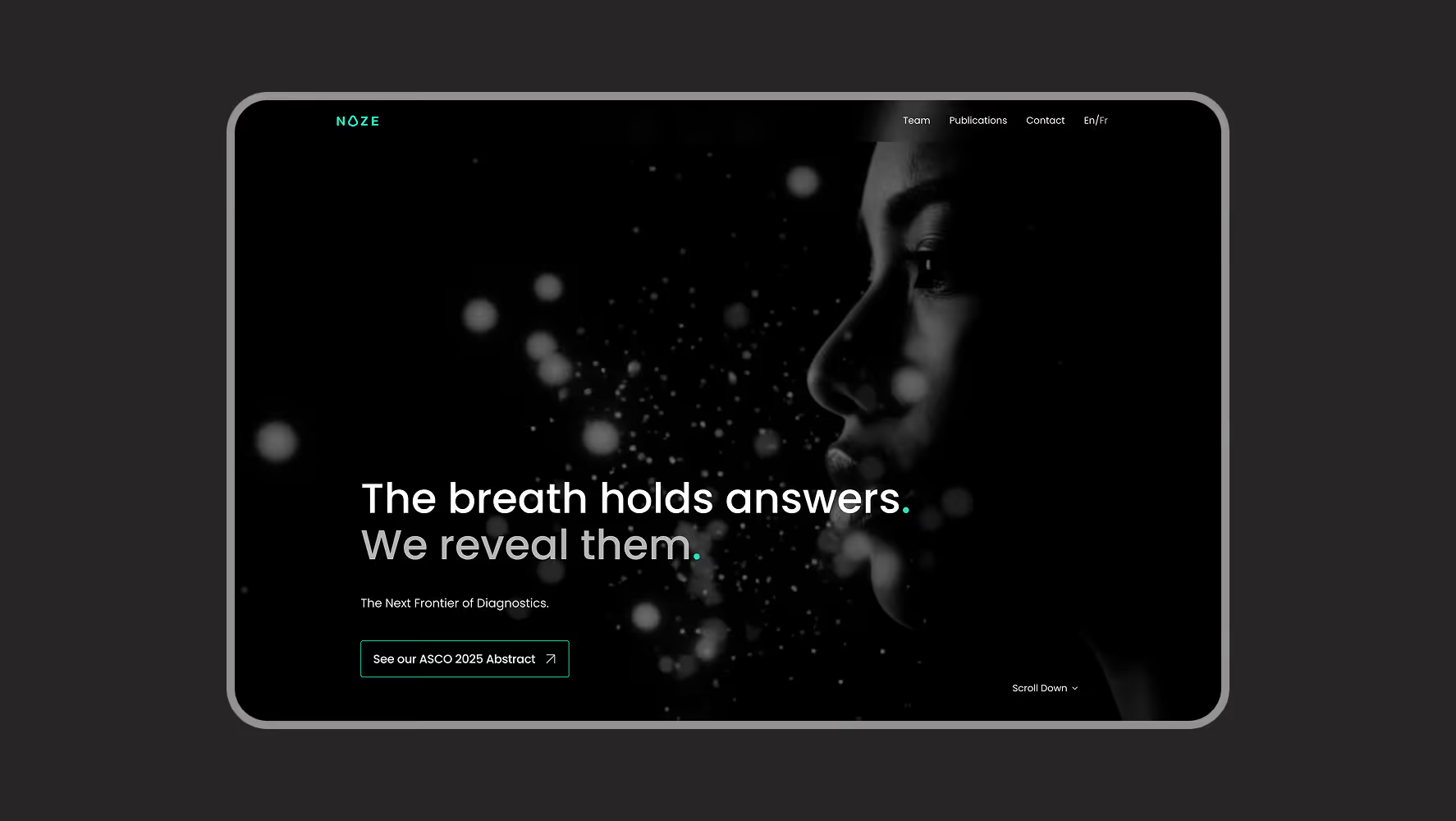
Noze
Noze Webflow website design focused on investor-ready messaging, clear value proposition, and conversion-focused UX.
From redesign to continuous growth, let’s build your performance engine.
Most SaaS sites aren’t structured for AI visibility. We fix how your content..
Industries
How can blockchain companies structure technical content for clarity across multiple audiences?
Blockchain and Web3 products often involve complex smart contracts, tokenomics, and protocols. Structuring documentation by feature, user role, or workflow helps both technical and non-technical stakeholders understand offerings. Broworks typically recommends modular content blocks and consistent labeling to ensure updates propagate accurately across websites, dashboards, and knowledge bases.
What strategies help Web3 teams keep product information accurate during rapid updates?
Frequent protocol upgrades and feature launches can make documentation outdated quickly. Using a centralized content system with reusable templates, version tracking, and structured fields ensures accuracy. Broworks often advises teams to implement workflows that minimize errors and make updates seamless across marketing sites, whitepapers, and developer portals.
How do blockchain projects explain complex workflows to potential investors or users?
Visual aids, flowcharts, and interactive tutorials simplify understanding of token flows, staking mechanisms, or smart contract functions. Layered explanations allow audiences to access high-level summaries first, then dive deeper if desired. Broworks supports projects in designing content hierarchies that cater to multiple knowledge levels without compromising accuracy.
How can Web3 companies evaluate whether their content supports community engagement?
Engagement can be measured through platform interactions, forum participation, and content click-through rates. Aligning documentation, tutorials, and announcements with community touchpoints ensures usability and trust. Broworks often encourages teams to structure content to be discoverable, searchable, and adaptable to ongoing community feedback.
What approaches help blockchain brands scale content for multiple ecosystems or networks?
Operating across multiple chains or platforms requires content modularity, metadata tagging, and consistent terminology. A CMS that separates core content from network-specific details simplifies maintenance. Broworks often implements structures that allow marketing and technical teams to manage multiple ecosystems efficiently without duplicating effort.
How should blockchain teams maintain post-launch content to support growth and adoption?
Continuous updates on features, security advisories, and protocol changes help retain trust and usability. Prioritizing high-impact updates and monitoring user analytics ensures relevance. Broworks recommends creating repeatable review cycles and structured modules that make post-launch maintenance predictable and scalable for long-term brand authority.


.avif)
.avif)
.avif)

.avif)