
Maintaining SEO during website redesigns with a Webflow SEO services partner

TL;DR
Website redesigns often risk disrupting search visibility, traffic, and rankings if URLs, metadata, or internal linking are not carefully managed. Integrating SEO considerations from the outset—through structured content migration, redirects, and technical audits—ensures continuity and preserves authority. Platforms like Webflow offer flexibility for design and dynamic content, but without systematic planning, even small changes can lead to indexing issues or broken links. Partnering with an experienced SEO team allows for proactive monitoring, structured post-launch audits, and iterative improvements. Organizations that treat SEO as an integral part of the redesign process can maintain performance while improving user experience and long-term discoverability.
Redesigns often focus on aesthetics, performance, and user experience, but search visibility cannot be neglected. Search engines assess both content relevance and technical health. Poorly managed redesigns can result in broken links, missing meta data, or orphaned pages.
Engaging professional Webflow SEO services ensures:
- URL structures are preserved or redirected properly
- Metadata and schema remain consistent
- Internal linking and site hierarchy support crawl efficiency
This strategic focus mitigates potential ranking drops while improving overall site health.
Keeping SEO intact during redesigns with a Webflow SEO partner
Website redesigns present a complex challenge for maintaining search visibility. Integrating a Webflow SEO services approach from the start ensures that technical foundations, content integrity, and structured data remain intact throughout the transition. A redesign can unintentionally disrupt rankings, traffic, and link equity if migrations, URL changes, and metadata updates are not carefully managed.
From a Webflow perspective, the platform’s flexibility provides both opportunities and risks. Without structured SEO planning, dynamic content, CMS collections, and design adjustments can unintentionally create indexing or crawlability issues. Strategic planning, auditing, and execution minimize risk and protect existing organic performance.
Preparing for a Webflow redesign with SEO in mind
Preparation is critical for redesign projects. Key steps include:
- Conducting a comprehensive SEO audit to inventory pages, rankings, and backlinks
- Mapping current URLs to the new structure with proper 301 redirects
- Identifying high-performing pages to preserve link equity
Broworks recommends collaborating closely with designers and developers to embed SEO considerations into each phase, ensuring technical and content continuity without sacrificing creative goals.
Content migration and CMS considerations
Webflow’s CMS offers powerful content management but introduces unique migration challenges. Preserving content hierarchy, meta descriptions, and internal references is essential to prevent ranking loss.
Best practices include:
- Bulk exporting existing CMS content for review
- Maintaining consistent metadata and alt text during migration
- Aligning content templates with SEO objectives
Technical SEO during a redesign
Technical SEO ensures that search engines can crawl, index, and understand new pages without disruption. Key technical areas to address include:
- Site speed and performance optimization
- Structured data (schema) implementation for products, services, and articles
- Canonical tags, hreflang, and redirect chains
- Mobile responsiveness and accessibility
Webflow’s platform allows granular control over these elements, but expert guidance from Broworks ensures they are configured correctly to preserve and improve search performance.
Tracking and monitoring post-launch
Launching a redesigned site is only the beginning. Continuous monitoring is critical to detect and fix issues early. Metrics and tools to prioritize include:
- Organic traffic and keyword rankings
- Crawl errors and broken links using Google Search Console
- Indexing status and structured data validation
Our approach emphasizes proactive post-launch audits, enabling teams to maintain authority and recover quickly from any unexpected technical or content gaps.
Internal linking and content hierarchy
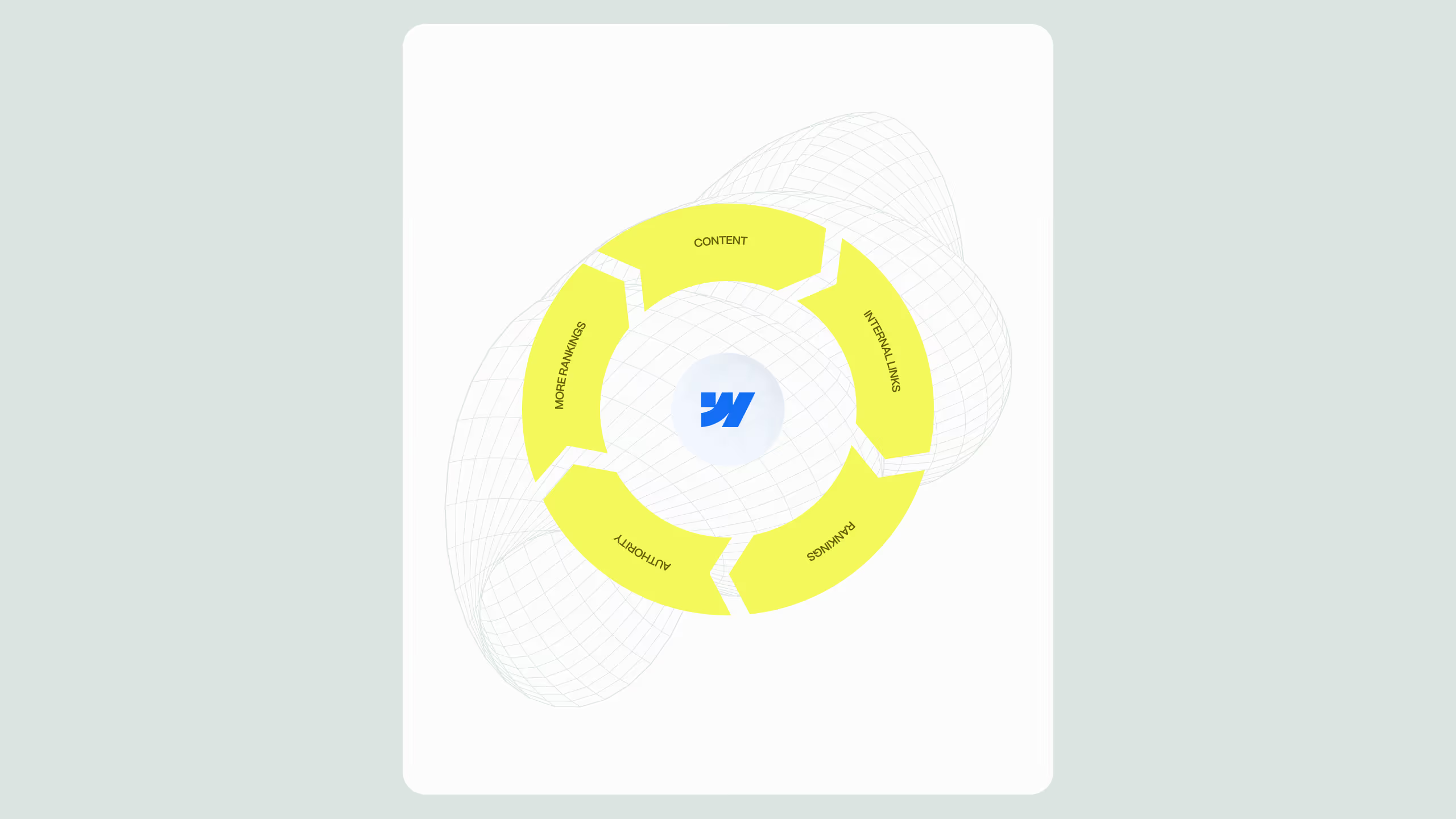
Internal linking is a major factor in both usability and AI-assisted search visibility. During a redesign, links can break, leading to orphaned pages or diluted authority.
Effective strategies include:
- Reviewing all internal links before and after launch
- Ensuring category pages and CMS collections maintain contextual relationships
- Leveraging strategic links to high-priority pages, including service pages like Webflow SEO services
Maintaining internal consistency preserves page authority and improves discoverability.
Avoiding common redesign pitfalls
Common pitfalls during redesigns that negatively impact SEO include:
- Changing URL structures without proper redirects
- Removing or renaming high-performing pages
- Neglecting mobile optimization and site speed
- Overlooking metadata, schema, and alt text
Webflow’s flexibility can amplify these risks if SEO is not embedded in the process. A structured plan from the beginning reduces errors and maintains both organic visibility and user experience.
Measuring the ROI of SEO-focused redesigns
While aesthetic and functional improvements are immediate, ROI from SEO-focused redesigns becomes apparent over months. Metrics to track include:
- Organic traffic growth and ranking stability
- Conversion rates from search-driven visitors
- Engagement metrics and session duration
Conclusion
Maintaining SEO during a website redesign requires strategic planning, technical expertise, and consistent execution. Platforms like Webflow provide the tools for flexible design and content management, but without proper guidance, redesigns risk losing ranking, traffic, and authority.
Partnering with a specialized Webflow SEO services provider ensures every stage of the redesign, from planning and migration to post-launch monitoring, is optimized for search success, protecting visibility while improving user experience.
.svg)
.svg)
.avif)