Optimize Site for AI Answer Engines: Technical Guide


TL;DR
AI answer engines like ChatGPT and Perplexity require technical optimization beyond traditional SEO. Structured data through schema markup, fast page speeds under 2.5 seconds, properly configured XML sitemaps, and semantic HTML hierarchy enable large language models to parse and cite your content accurately. Track performance using specialized analytics tools while implementing FAQ sections with question-and-answer formatting. Success comes from creating an AI-readable architecture that positions your site as an authoritative source for answer generation.
AI answer engines operate differently than traditional search crawlers. These systems use large language models to process vast amounts of web content, extracting relevant information to generate contextual responses. When a user asks a question, the AI doesn't simply match keywords, it synthesizes information from multiple sources to construct comprehensive answers.
The retrieval process begins with web crawling, similar to traditional search engines. However, AI systems prioritize content with clear semantic structure, making schema markup and clean HTML hierarchy essential. These engines favor websites that present information in digestible, well-organized formats that mirror how humans naturally structure knowledge.
Understanding this mechanism reveals why generic SEO tactics fall short. AI answer engines need explicit signals about your content's meaning, context, and relationships.
How to optimize sites for AI answer engines
Unlike traditional search engines that display ten blue links, these platforms extract information from websites and present direct answers. This shift demands a new optimization approach that goes beyond conventional SEO tactics.

The challenge facing medium and corporate businesses is clear: if your website isn't structured for AI consumption, your content becomes invisible to these emerging platforms. While you've invested in traditional SEO, AI answer engines require specific technical implementations that enable large language models to parse, understand, and cite your content accurately.
This guide explores the technical framework needed to optimize site for AI answer engines, focusing on four critical pillars: structured data implementation, page speed optimization, XML sitemap configuration, and analytics measurement. Each element works together to create an AI-readable architecture that positions your Webflow site as a authoritative source for answer generation.
Understanding AI answer engine mechanics
AI answer engines operate differently than traditional search crawlers. These systems use large language models to process vast amounts of web content, extracting relevant information to generate contextual responses. When a user asks a question, the AI doesn't simply match keywords, it synthesizes information from multiple sources to construct comprehensive answers.
The retrieval process begins with web crawling, similar to traditional search engines. However, AI systems prioritize content with clear semantic structure, making schema markup and clean HTML hierarchy essential. These engines favor websites that present information in digestible, well-organized formats that mirror how humans naturally structure knowledge.
Understanding this mechanism reveals why generic SEO tactics fall short. AI answer engines need explicit signals about your content's meaning, context, and relationships.
Implementing schema markup for entity recognition
Schema markup provides the semantic layer that AI answer engines use to understand your content. By adding JSON-LD structured data to your pages, you explicitly define entities, relationships, and context that might otherwise remain ambiguous to machine readers.
Start with core schema types relevant to your business: Organization, Service, Article, FAQPage, and HowTo. Each schema type communicates specific information patterns that AI systems recognize and process. For example, FAQPage schema directly maps to the question-and-answer format that many AI engines prioritize when generating responses.
Implementation in Webflow requires adding custom code to your page settings or site-wide footer. Use Google's Structured Data Testing Tool or Schema Validator to validate your markup before publishing. The schema should reflect actual page content, never insert false or misleading information as AI systems increasingly penalize misrepresentation.
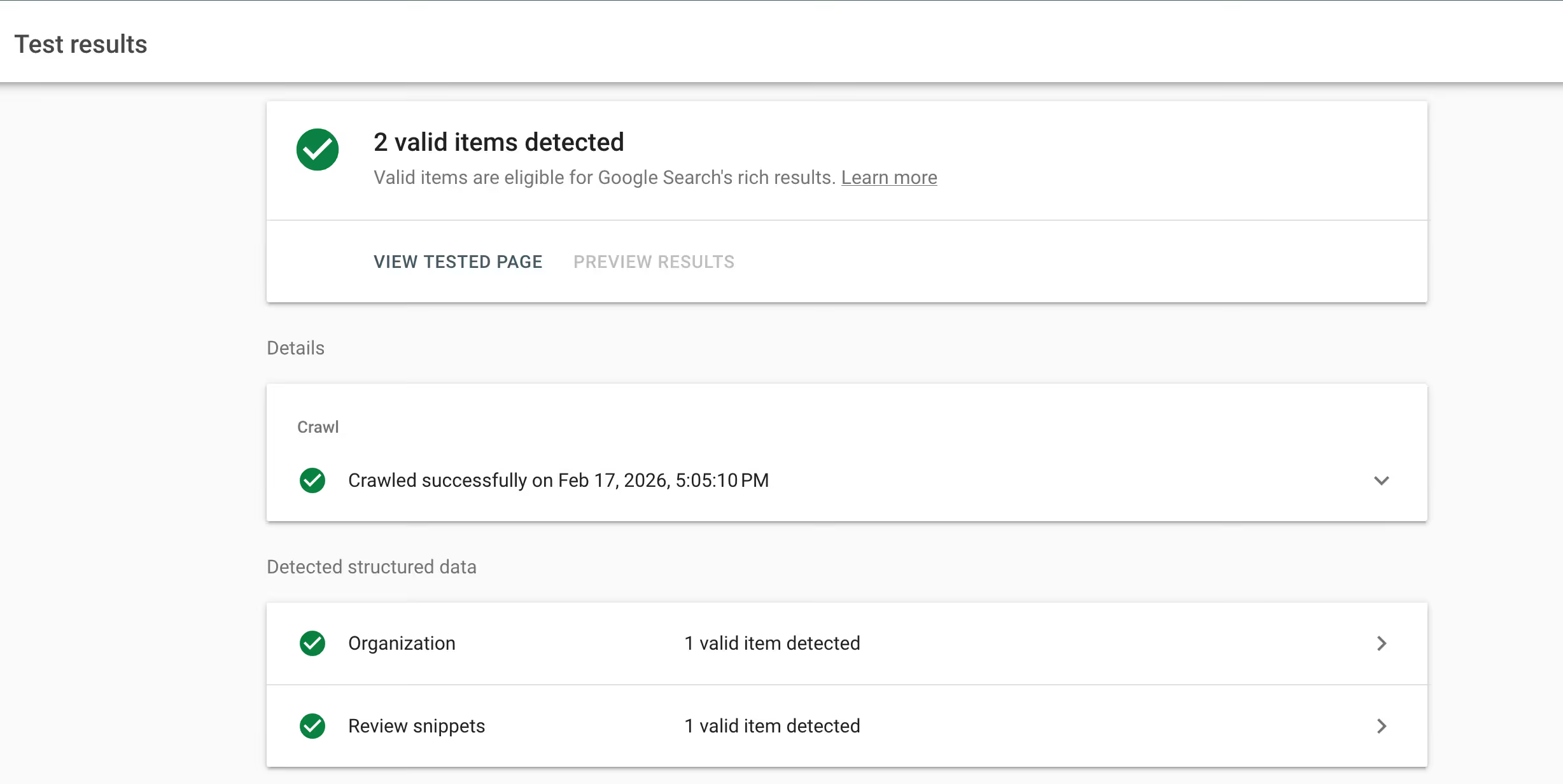
Advanced schema implementation includes nested structures and multiple schema types per page. A service page might combine Organization schema at the site level with Service schema for the specific offering and BreadcrumbList schema for navigation context. This layered approach gives AI engines comprehensive understanding of your content's position within your broader information architecture.
Optimizing page speed for AI crawler efficiency
Page speed directly impacts how AI answer engines process your content. Slow-loading pages consume more crawler resources, potentially resulting in incomplete indexing or lower prioritization in answer generation. AI systems favor efficient sites that deliver content quickly without excessive computational overhead.
Core Web Vitals serve as the baseline metrics: Largest Contentful Paint under 2.5 seconds, First Input Delay under 100 milliseconds, and Cumulative Layout Shift under 0.1. These measurements reflect user experience but also signal technical efficiency to AI crawlers.
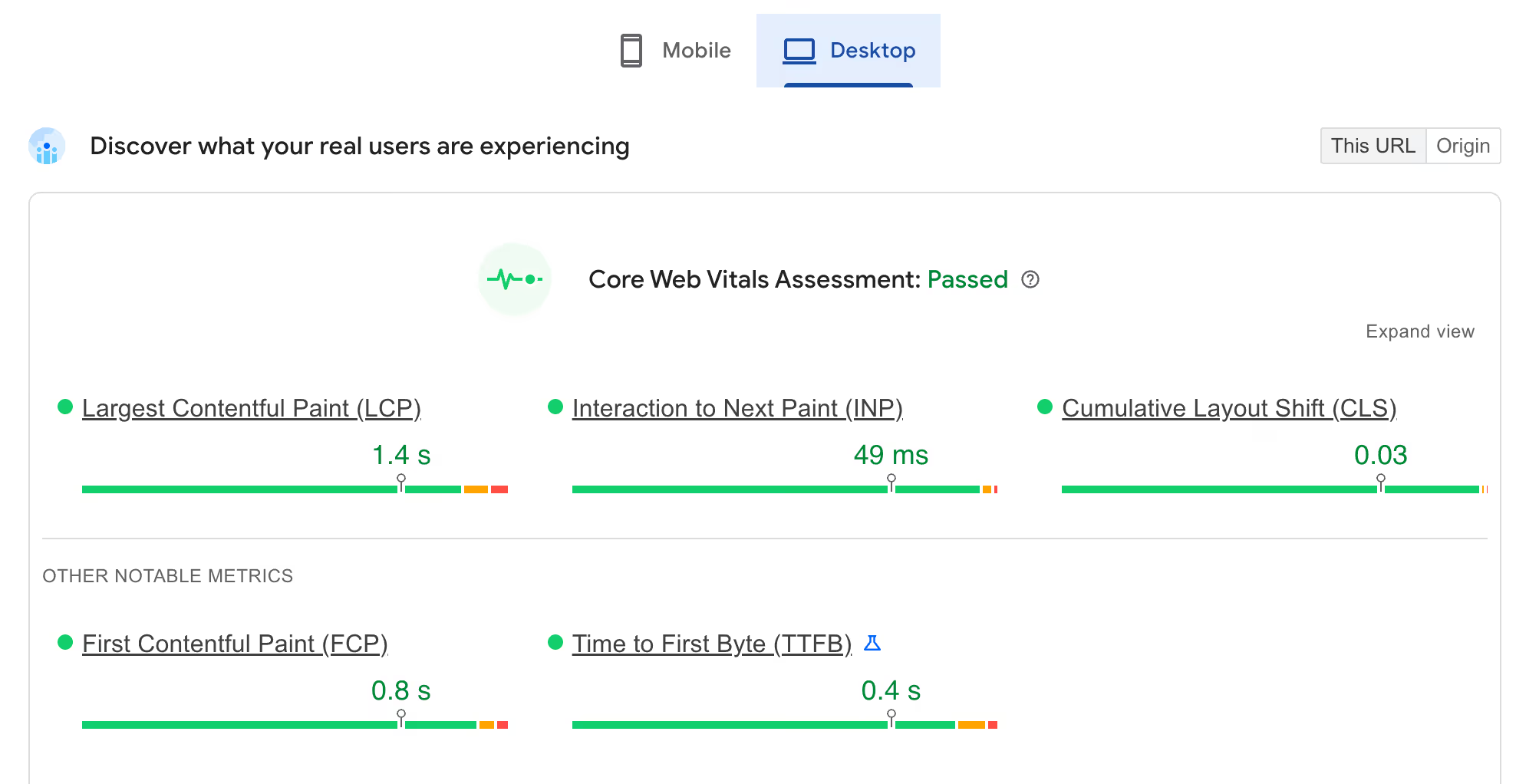
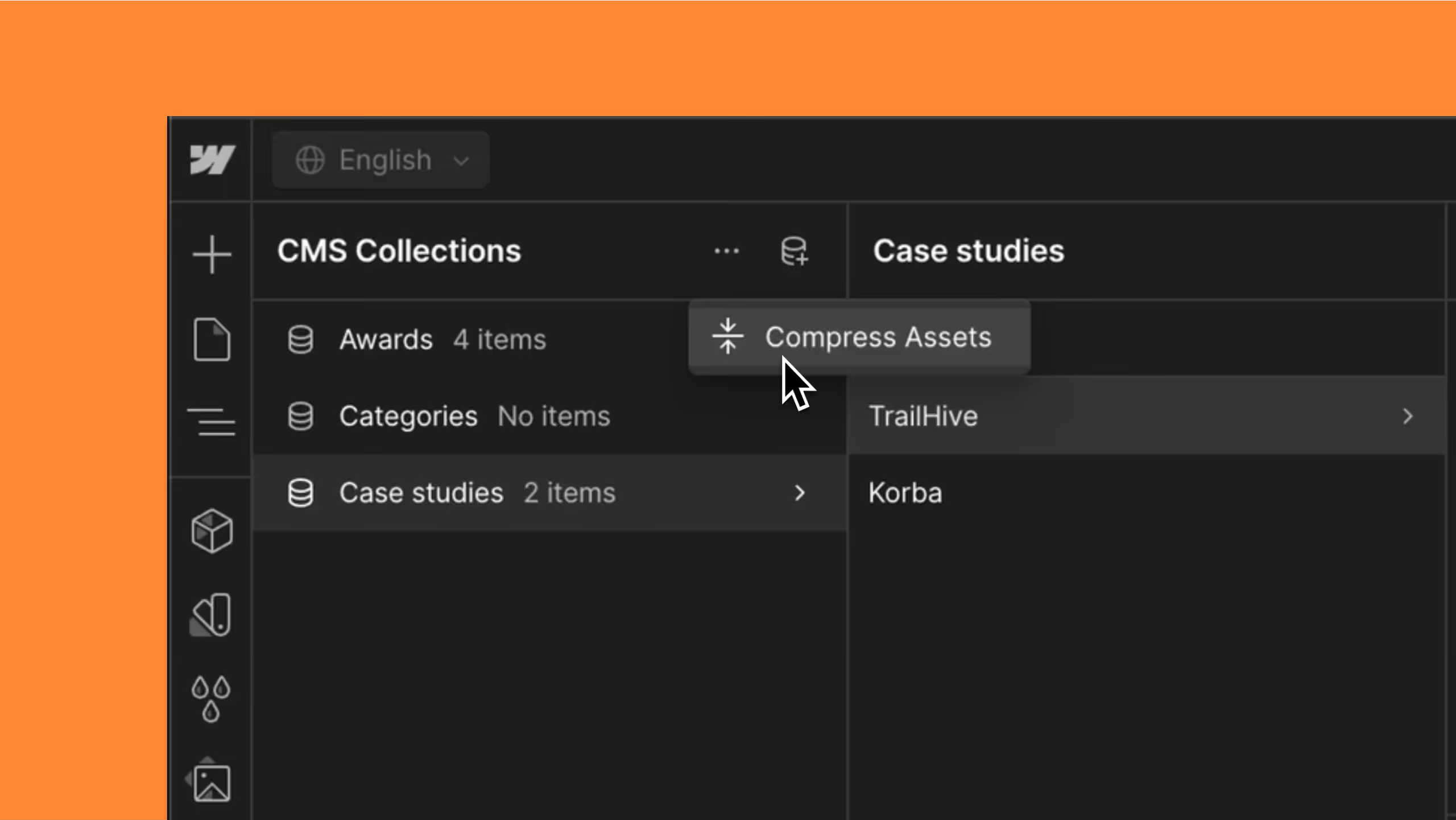
Webflow's native CDN provides solid performance foundations, but optimization requires additional steps. Compress images using WebP format, implement lazy loading for below-fold content, and minimize JavaScript execution time. Remove unnecessary third-party scripts that block rendering or inflate page weight.
Server response time matters significantly for AI crawlers processing multiple pages simultaneously. Ensure your Webflow hosting plan supports your traffic levels without throttling. Monitor server response times through Google Search Console's Core Web Vitals report, addressing any pages showing slow responses consistently.
Configuring XML sitemaps for comprehensive indexing
XML sitemaps guide AI crawlers through your site architecture, ensuring complete content discovery. While Webflow generates sitemaps automatically, strategic configuration ensures AI engines prioritize your most valuable content.
Your sitemap should include all indexable pages with accurate priority values and change frequencies. Set higher priority values for cornerstone content, service pages, and resources designed to answer common industry questions. These signals help AI systems allocate crawling resources effectively.
Structure sitemaps hierarchically for large sites exceeding 50,000 URLs. Create separate sitemaps for different content types: one for blog articles, another for service pages, and additional sitemaps for case studies or resources. Submit all sitemaps through Google Search Console and Bing Webmaster Tools to ensure comprehensive indexing.
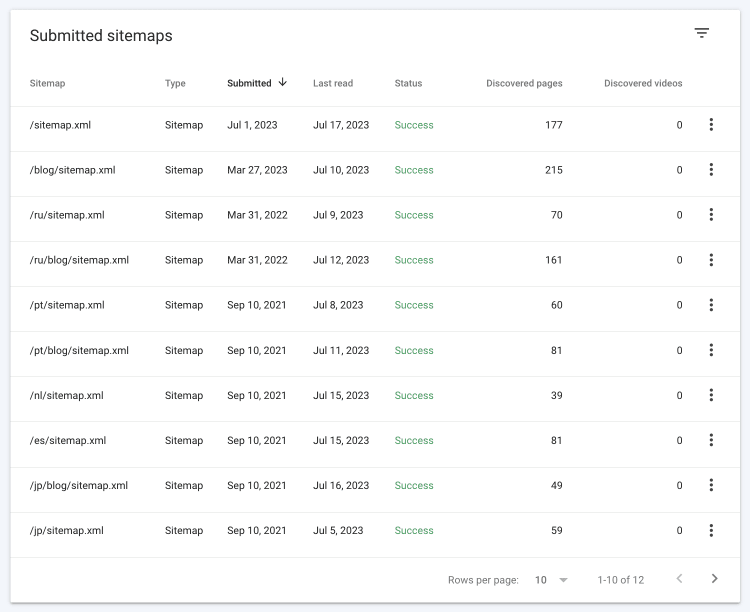
Update frequency matters for AI answer engines that prioritize fresh content. Set realistic change frequencies in your sitemap, if you update a page weekly, reflect that in the sitemap. Accurate change frequency signals help AI crawlers schedule efficient re-indexing without wasting resources on static content.
Structuring content with semantic HTML hierarchy
Clean HTML structure enables AI answer engines to parse your content hierarchy and understand information relationships. Proper heading tags create a logical outline that AI systems use to determine content sections and their relative importance.
Use a single H1 tag per page containing your primary topic and optimize site for AI answer engines keyword naturally. Follow with H2 tags for major sections and H3 tags for subsections. This hierarchical structure mirrors how AI systems organize information internally, facilitating accurate content extraction.
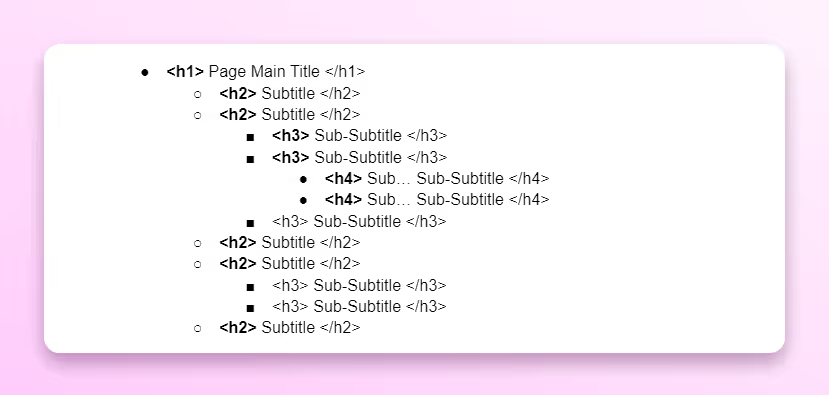
Avoid skipping heading levels or using headings purely for styling. Each heading should accurately describe the content that follows, using descriptive language rather than generic phrases. This semantic clarity helps AI engines associate content blocks with specific topics and subtopics.
Lists, tables, and other structured content formats enhance AI readability. When presenting steps, comparisons, or feature lists, use proper HTML markup rather than paragraph text. AI systems excel at extracting structured information, making these formats more likely to appear in generated answers.
Creating FAQ content for direct answer targeting
FAQ sections directly align with how AI answer engines structure responses. By formatting content as explicit questions and answers, you create ready-made snippets that AI systems can extract and present verbatim.
Research common questions in your industry using Answer the Public, AlsoAsked, and search engine autocomplete features. Identify questions that prospects ask repeatedly, particularly those seeking specific processes, definitions, or comparisons relevant to your services.
Structure each FAQ with the question as an H3 heading followed by a concise answer of 50 to 150 words. Include the optimize site for AI answer engines keyword phrase naturally within relevant FAQ answers, maintaining readability while signaling topical relevance.
Implement FAQPage schema markup on pages containing FAQ sections. This structured data explicitly tells AI engines that your content follows question-and-answer format, increasing likelihood of direct citation in AI-generated responses.
Enhancing site architecture for topic clustering
Topic clustering organizes content around central themes with supporting subtopics, creating semantic relationships that AI answer engines recognize and value. This architecture positions your site as an authoritative source on specific subjects rather than a collection of disconnected pages.
Identify pillar topics central to your business offerings. Create comprehensive pillar pages covering these topics broadly, then develop cluster content addressing specific aspects in depth. Link cluster pages to the pillar using consistent anchor text that reinforces topical relationships.
Internal linking as entity reinforcement
Internal linking is no longer only about distributing authority. It reinforces topical relationships. When you optimize site for ai answer engines, internal links should clarify how concepts connect rather than simply pushing traffic toward commercial pages.
For example, educational resources should logically connect to relevant service explanations. Authoritative cornerstone pages should link outward to supporting content clusters. This structured reinforcement helps AI systems understand hierarchy and depth.
When internal linking is engineered properly, your site behaves like a well-organized knowledge graph instead of a collection of isolated pages.
Optimizing images and multimedia for AI processing
AI answer engines increasingly incorporate visual content in responses, making image optimization essential for comprehensive visibility. Proper image implementation ensures your visual content appears in AI-generated answers alongside text citations.
Add descriptive alt text to every image using natural language that explains the image content contextually. Avoid keyword stuffing, instead focus on accurate descriptions that help AI systems understand what the image depicts and how it relates to surrounding content.

Implement ImageObject schema markup for important images, particularly diagrams, infographics, and screenshots demonstrating processes. This structured data provides AI systems with explicit image metadata including creator information, caption text, and licensing details.
File naming contributes to AI understanding. Name images descriptively using hyphens to separate words, like webflow-structured-data-implementation.png rather than img-001.png. This naming convention helps AI systems categorize images correctly even before processing image content.
Video content requires similar optimization with comprehensive transcripts and VideoObject schema. AI systems extract information from video transcripts when generating answers, making accurate transcription essential for video content visibility in AI responses.
Long-term maintenance strategy
Optimization is not a one-time project. AI search models evolve continuously, so regular content audits, structured data validation, performance monitoring, and entity expansion are required. When you optimize a site for AI answer engines with a system mindset, improvements compound, and visibility grows not just in rankings, but in direct answer citations, knowledge panels, and AI summaries.
This is the future of technical SEO. It is less about manipulation and more about precision. Structured data provides meaning, page speed provides reliability, sitemaps provide discoverability, analytics provides refinement.
When these elements align, your site becomes a trusted source that AI systems repeatedly select.
.svg)
.svg)